5 Steps to HOA Fence Approval in Denver (2026 Guide)
VP Fencing • September 3, 2026
Open every day
Serving the Denver Metro
HOA fence approval is the process of obtaining written permission from a Homeowners Association before installing a new fence. It involves reviewing your community’s Covenants, Conditions, and Restrictions (CC&Rs), selecting pre-approved materials like cedar, and submitting a detailed site plan to ensure compliance with specific neighborhood aesthetic standards.
What is the HOA fence approval process?
Navigating the requirements of a Homeowners Association (HOA) can feel daunting, but the HOA fence approval process is designed to maintain property values and community harmony. In the Denver Metro area, communities like Highlands Ranch, Centennial, and Castle Pines have strict guidelines to ensure that every improvement aligns with the neighborhood's original vision. The process typically begins long before the first post is set in the ground. It starts with a comprehensive review of your specific neighborhood's Covenants, Conditions, and Restrictions, often referred to as CC&Rs. These documents dictate everything from the type of wood you can use to the exact shade of stain required for your pickets.
Once you have a firm grasp of the rules, you must select a design that fits within those parameters. Most Denver HOAs prefer residential wood fencing due to its natural look and durability in our semi-arid climate. After choosing your style, you will need to prepare a formal application for the Architectural Review Committee (ARC). This committee is tasked with reviewing all external changes to properties within the association. They look for consistency, quality, and adherence to the established aesthetic. The goal is to receive a formal, written approval letter, which serves as your green light to begin your project. Without this document, you risk being forced to tear down a brand-new fence at your own expense.
Understanding your community CC&Rs
The CC&Rs are the legal foundation of your HOA. Every homeowner receives a copy of these documents at closing, but they are often filed away and forgotten until a renovation project arises. To ensure a smooth HOA fence approval, you must dig these documents out or download the latest version from your community portal. These guidelines are not just suggestions; they are legally binding agreements that dictate the physical appearance of your property. In Denver, CC&Rs often specify:
- Approved fencing materials (e.g., Western Red Cedar).
- Allowable fence heights (typically 4, 5, or 6 feet).
- Permitted styles (vertical privacy, horizontal, or split-rail).
- Specific stain colors or paint codes.
- Required decorative elements like top caps or trim boards.
Reading these rules carefully helps you avoid the most common mistake: assuming that because a neighbor has a certain fence style, you can install the same one. Neighborhood rules change over time, and older fences may have been "grandfathered" in under previous versions of the CC&Rs. Always verify the current HOA fence guidelines before making any commitments. If the language in your CC&Rs is ambiguous, it is often helpful to reach out to a member of the ARC for clarification. Understanding these rules early on saves time, money, and frustration during the later stages of the approval process.
How do I choose an HOA-approved fence style?
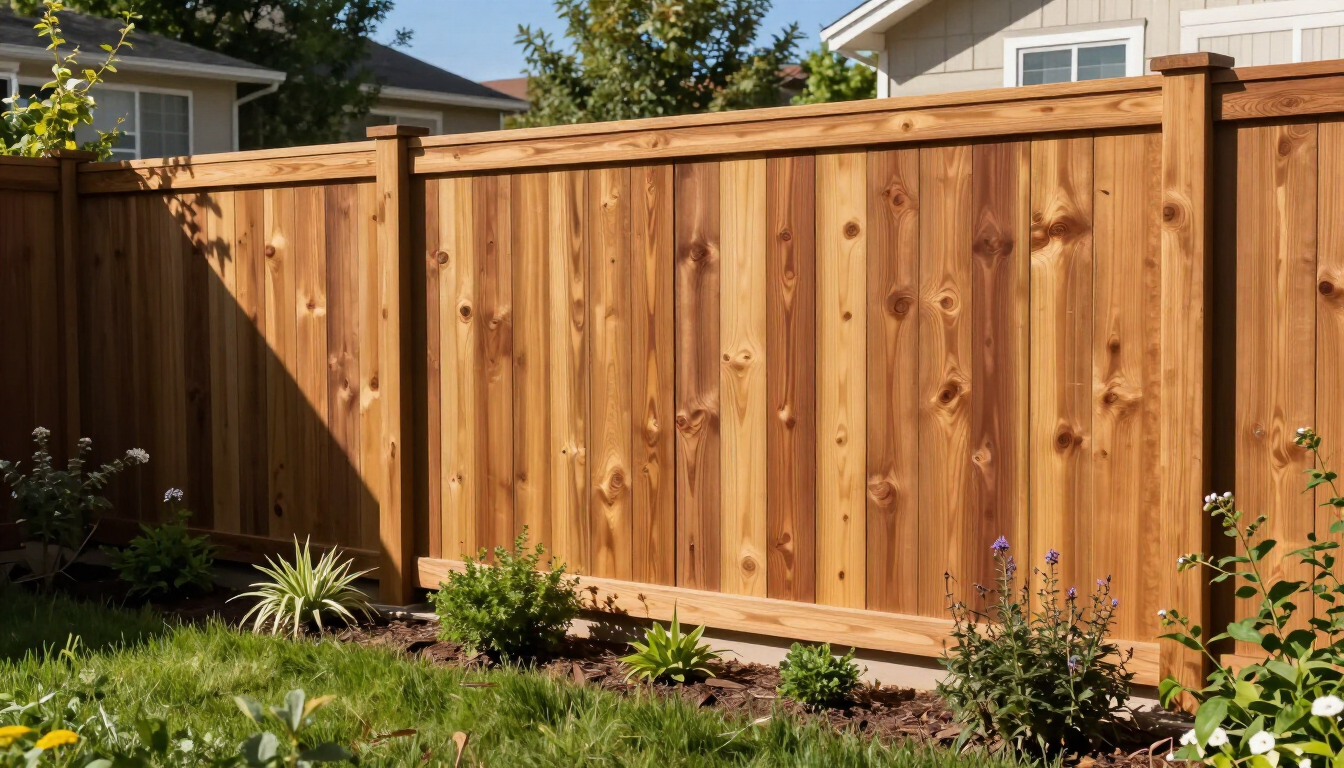
Choosing the right style is perhaps the most critical part of obtaining HOA fence approval. In the Denver Metro area, aesthetic preferences tend to lean toward high-quality natural materials. For fifteen years, we have seen that the most widely accepted and requested style is the residential cedar fence. Cedar is prized not only for its beauty but also for its natural resistance to rot and insects, which is essential given our local environment. However, simply choosing "wood" isn't enough. You must decide on the specific configuration that your HOA permits.
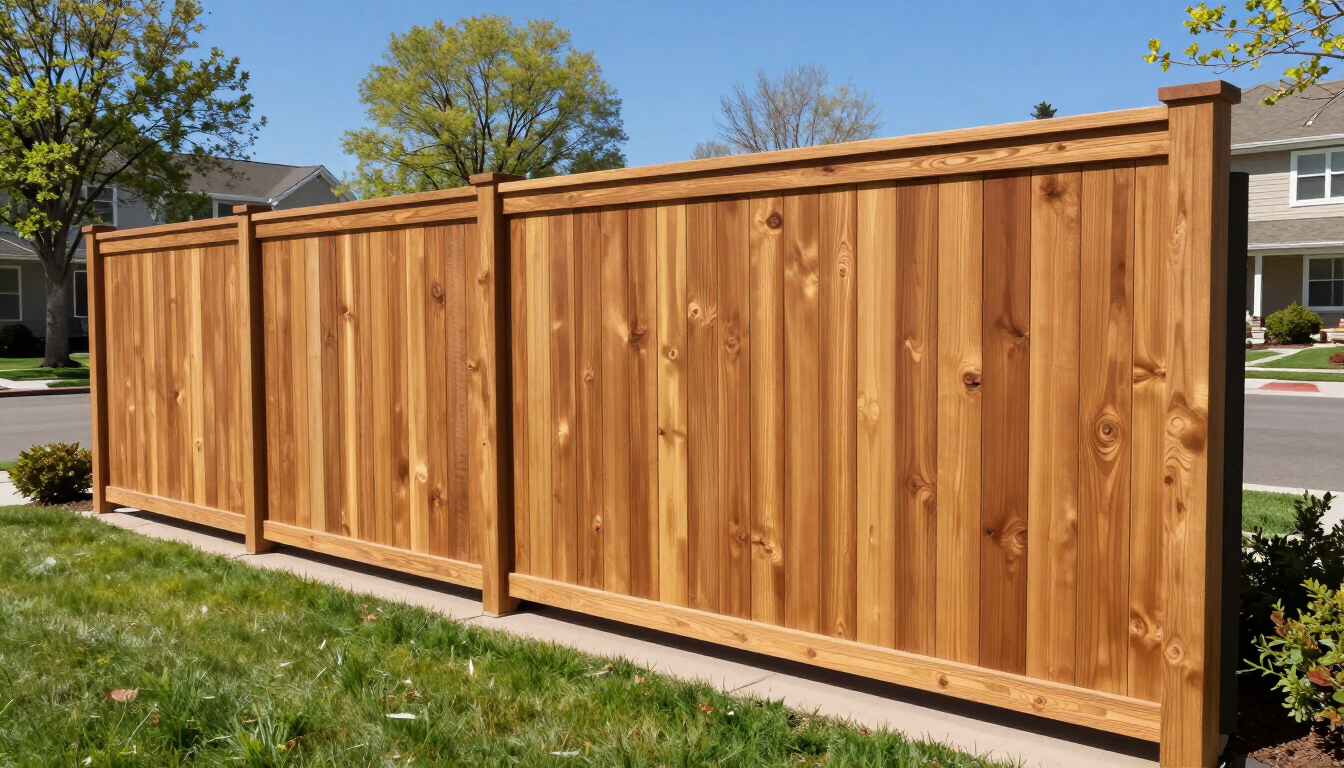
For many upscale communities in Greenwood Village and Lone Tree, the "top cap and trim" style is the gold standard. This design adds a horizontal board across the top of the pickets and a trim board just below it, creating a finished, framed look that looks identical from both sides. Other communities may require a standard vertical privacy fence, while more modern developments are beginning to allow horizontal privacy styles. If wood isn't your first choice, you might consider vinyl fencing , though many Denver HOAs strictly limit this to white or almond colors. For those looking for security without blocking the view, ornamental steel fencing is a frequent choice for properties backing up to open spaces or golf courses.
Top Denver HOA Fence Styles: Cedar and Beyond
When evaluating your options for HOA fence approval, it is helpful to understand the specific benefits and common requirements for each material type used in the Denver area. Our local climate, characterized by intense sun and low humidity, significantly impacts how these materials perform over time. Here are the most common styles seen in local HOA communities:
- Vertical Privacy Cedar: The most common residential style, often required to be 6 feet tall.
- Top Cap and Trim: An upgraded wood style that adds structural integrity and a premium look.
- Horizontal Cedar: A modern aesthetic gaining popularity in newer Denver developments.
- Ornamental Steel: Often required for lots that border greenbelts or public parks.
- White Vinyl: A low-maintenance option that provides total privacy and a clean look.
While cedar is the primary product for most backyards ranging from 250 to 450 feet, some HOAs also allow chain link fencing , particularly for side yards or larger lots. However, these are often required to be vinyl-coated in black or green to blend into the landscape. No matter which style you choose, ensure it matches the specific "neighborhood standard" mentioned in your documents. Taking photos of existing fences in your neighborhood that you know were recently approved can also provide a helpful reference for your own application.
What documents do I need for a fence application?
Preparation is key to a fast HOA fence approval. Most Architectural Review Committees meet only once or twice a month, so a missing document could delay your project by several weeks. A complete application packet usually includes a formal application form provided by the HOA, a copy of your property survey or plat map, and a detailed description of the materials. You will also need to provide the dimensions of the fence, including the height and the total linear footage. Many committees also request a brochure or a photo of the intended fence style to ensure there is no confusion about the final appearance.
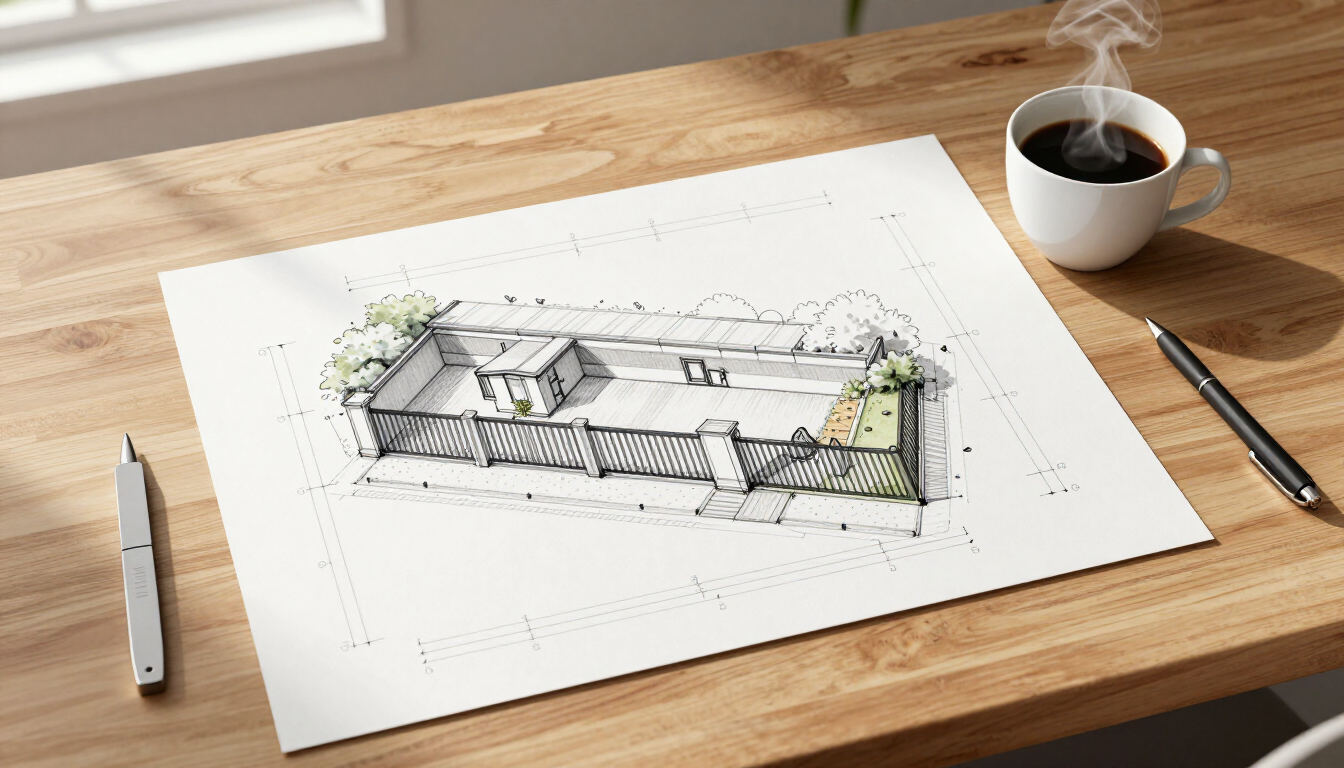
One of the most important components is the site plan. This is a birds-eye view of your property that shows exactly where the fence will be located in relation to your home, the property lines, and any existing structures like sheds or patios. It should also clearly mark the location and width of any gates you plan to install. Providing a professional, clear site plan demonstrates that you have done your due diligence and that the fence will not encroach on neighboring properties or utility easements. If you are unsure how to create this, a professional contractor can often provide a drawing as part of their installation process.
Essential Steps for a Successful Site Plan
Creating a site plan that wins HOA fence approval doesn't require an engineering degree, but it does require accuracy. The committee needs to see that you understand your property boundaries and that the fence layout makes sense for the lot. In Denver, where lots can be rocky and uneven, showing how the fence will follow the grade of the land can be a helpful addition to your plan. A high-quality site plan should include the following elements for the best chance at approval:
- Accurate property lines based on your legal survey.
- The exact path of the new fence represented by a bold line.
- Clearly marked gate locations and their opening directions.
- Distances from the fence to the house and any property corners.
- Labels for all materials, including post sizes and picket types.
Why is written HOA approval mandatory?
It is tempting to start your project as soon as you have chosen a contractor, but waiting for written HOA fence approval is the only way to protect your investment. A verbal "yes" from a board member or a neighbor is not legally binding. If the board later decides that your fence violates a specific rule, they have the power to fine you daily until the fence is removed or altered. This can turn a standard backyard improvement into a legal and financial nightmare. Written approval provides you with a "Safe Harbor," proving that your project was reviewed and found to be in compliance with the community standards at the time of installation.
Furthermore, many professional fence contractors in Denver will not even add you to their schedule until they have a copy of your approval letter. This is a sign of a reputable company that wants to ensure their clients are protected. Once you receive your letter, keep it in a safe place with your home's permanent records. It may be required if you ever decide to sell your home, as buyers will want proof that all external improvements were properly authorized. If your application is denied, don't panic. Most HOAs will provide a specific reason for the denial, allowing you to adjust your plan and resubmit for approval.
How does Denver terrain impact fence installation?
Homeowners in the Denver Metro area face unique challenges when it comes to the physical installation of a fence, which should be considered during the HOA fence approval phase. Our ground is notoriously brown, dusty, and incredibly rocky. For a fence to be stable, posts must be set deep—typically 24 to 30 inches—to get below the frost line and provide leverage against our high winds. In many parts of Highlands Ranch and Centennial, hitting large rocks during the digging process is almost guaranteed. This requires specialized equipment like hydraulic augers or jackhammers to ensure the posts are set correctly.
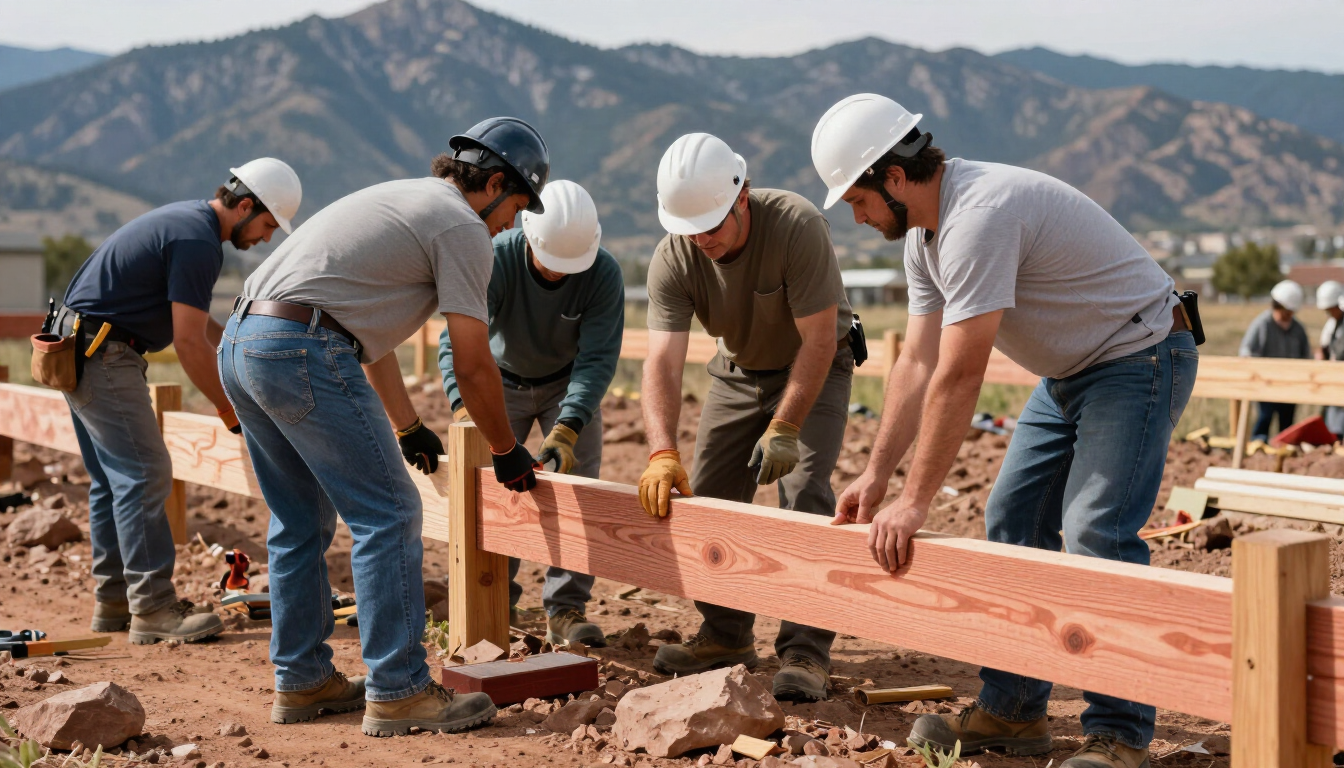
Despite these challenges, Denver's climate allows for year-round fence installation. While the ground may freeze on the surface, a professional team with the right tools can install a high-quality fence even in the dead of winter. This is actually a great time to seek HOA fence approval, as the ARC committees are often less busy than they are during the spring rush. By planning ahead and understanding the local soil conditions, you can ensure that your approved design is built to last for decades, regardless of the rocky Colorado terrain.
Summary and Next Steps for Denver Homeowners
Obtaining HOA fence approval in the Denver Metro area is a structured process that rewards homeowners who are organized and informed. By starting with a deep dive into your community's CC&Rs and selecting high-quality materials like cedar, you set the stage for a successful application. Remember that the Architectural Review Committee is there to maintain the look and feel of the neighborhood you chose to live in. Providing them with a clear, detailed site plan and a professional description of your project will go a long way in securing a quick approval.
Before you get started, consider these three final takeaways:
- Always read the current CC&Rs before browsing materials to ensure you are looking at compliant options.
- Invest in a professional site plan to avoid confusion regarding property lines and gate placement.
- Secure written approval before signing a contract or ordering materials to protect your financial investment.
If you are ready to transform your backyard with a beautiful new fence, the first step is getting an accurate assessment of your needs. You can learn more about local regulations in our Denver Fence Permit Guide or reach out to our team today to get a free quote . With 15 years of experience in the Denver market, we understand exactly what it takes to get your project approved and built right the first time.
Keep Exploring Fence Insights