Cedar or Vinyl: Which Privacy Fence Handles Denver Weather Better?
VP Fencing • October 15, 2026
Open every day
Serving the Denver Metro
Cedar and vinyl can both create dependable backyard privacy in Denver. The better choice depends on the look you want and the care you are willing to give it. Cedar offers natural grain, flexible design, and a warm Colorado feel. Vinyl gives you a consistent appearance with a simpler routine.
Weather still matters. Denver Metro yards face strong sun, dry air, snow, and quick temperature changes. The fence line may also cross a slope, irrigated lawn, shaded corner, or exposed side yard. Compare the materials in the places where they will actually stand.
How Denver exposure changes the decision
The National Weather Service's Denver climate information tracks broad temperature, precipitation, and snowfall patterns across the area. A Lakewood yard shaded by mature trees will not dry like an open fence line in Castle Rock, and a sprinkler beside the boards creates a different moisture pattern from natural snow.
Look at afternoon sun, drifting snow, drainage, and wind exposure before choosing. The material is only one part of performance; panel layout, posts, gates, hardware, grade transitions, and product-specific installation requirements matter too.
Cedar gives privacy with natural character
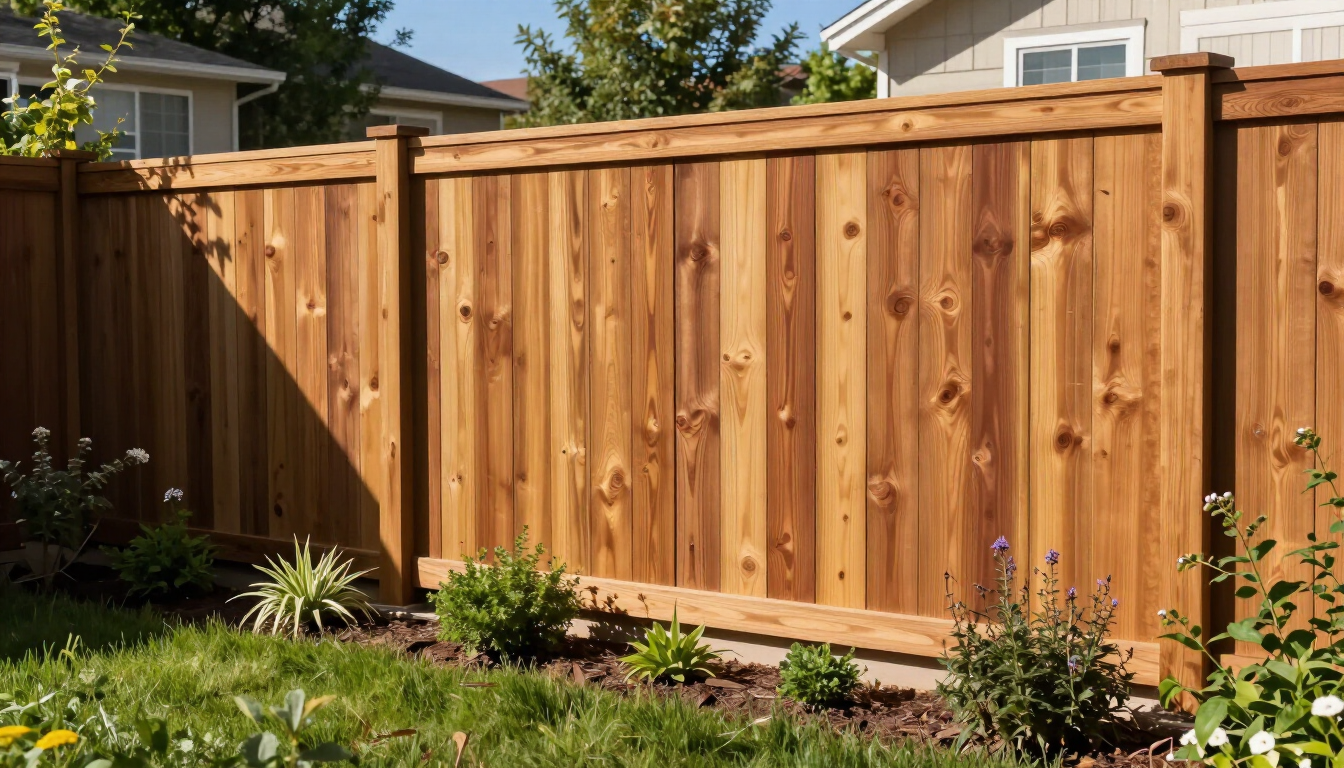
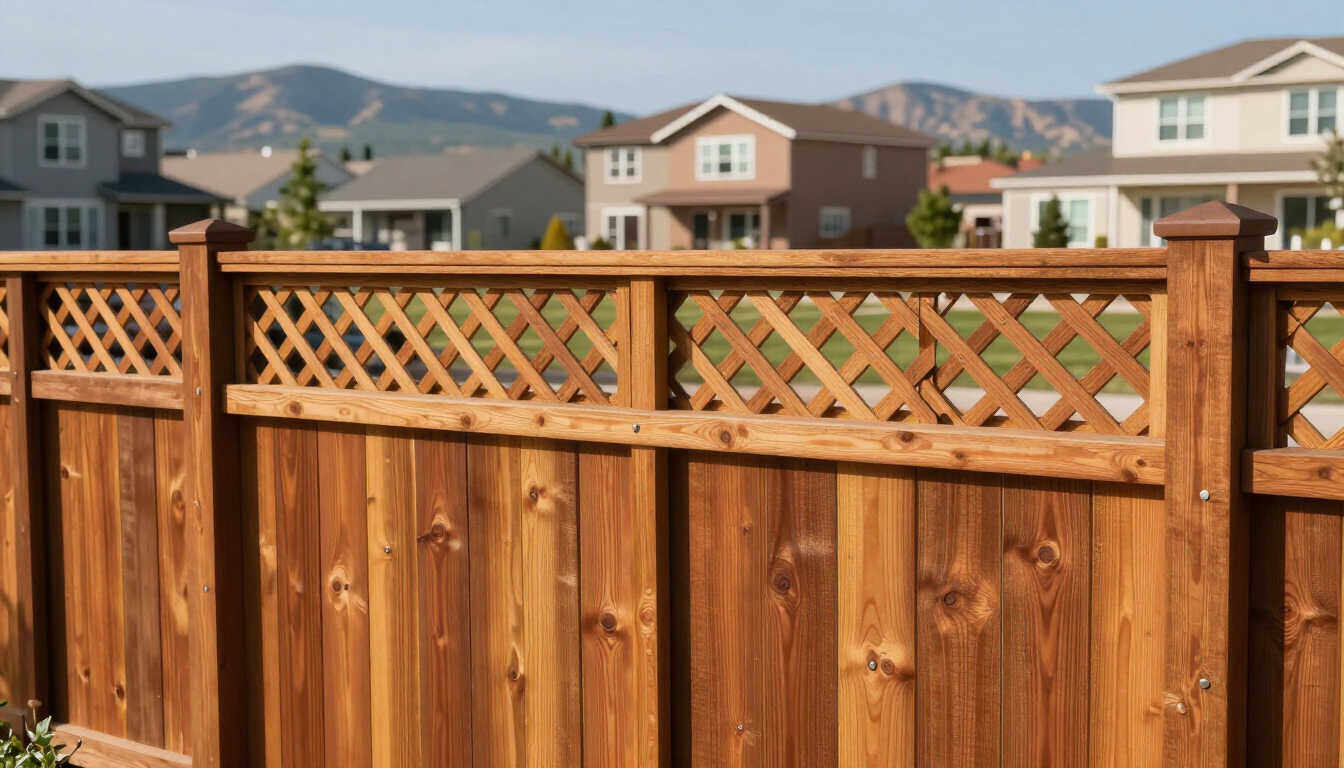
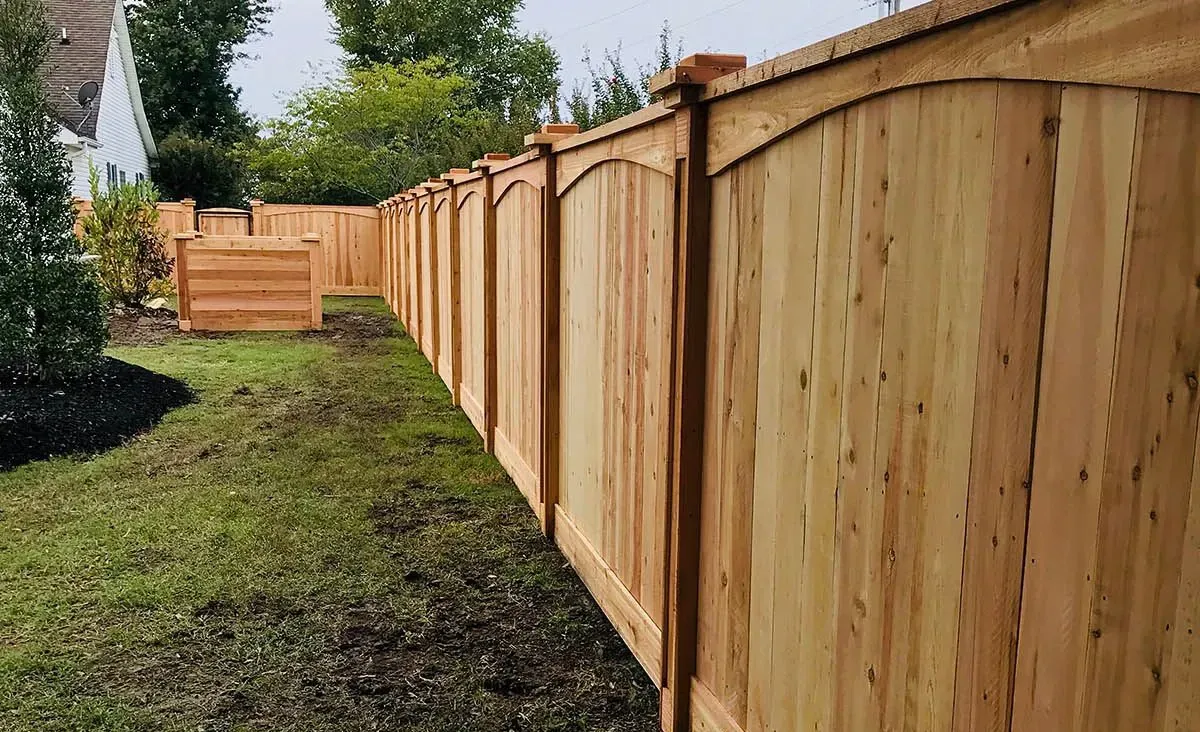
VP Fencing's custom cedar privacy fencing can be built in vertical, horizontal, and decorative styles. Cedar suits homeowners who want visible wood grain and a fence that can be shaped around landscaping or an uneven section of the yard.
Wood changes as it gains and loses moisture. The USDA Forest Products Laboratory's wood moisture guidance explains how those changes can contribute to swelling, shrinking, checking, or distortion. Regular inspection and an appropriate finish help manage exposure, but they do not remove the need for care.
Choose cedar if you value its natural appearance and are comfortable cleaning it, watching for loose boards or hardware, and renewing the finish when its condition calls for it.
Vinyl offers a simpler maintenance routine
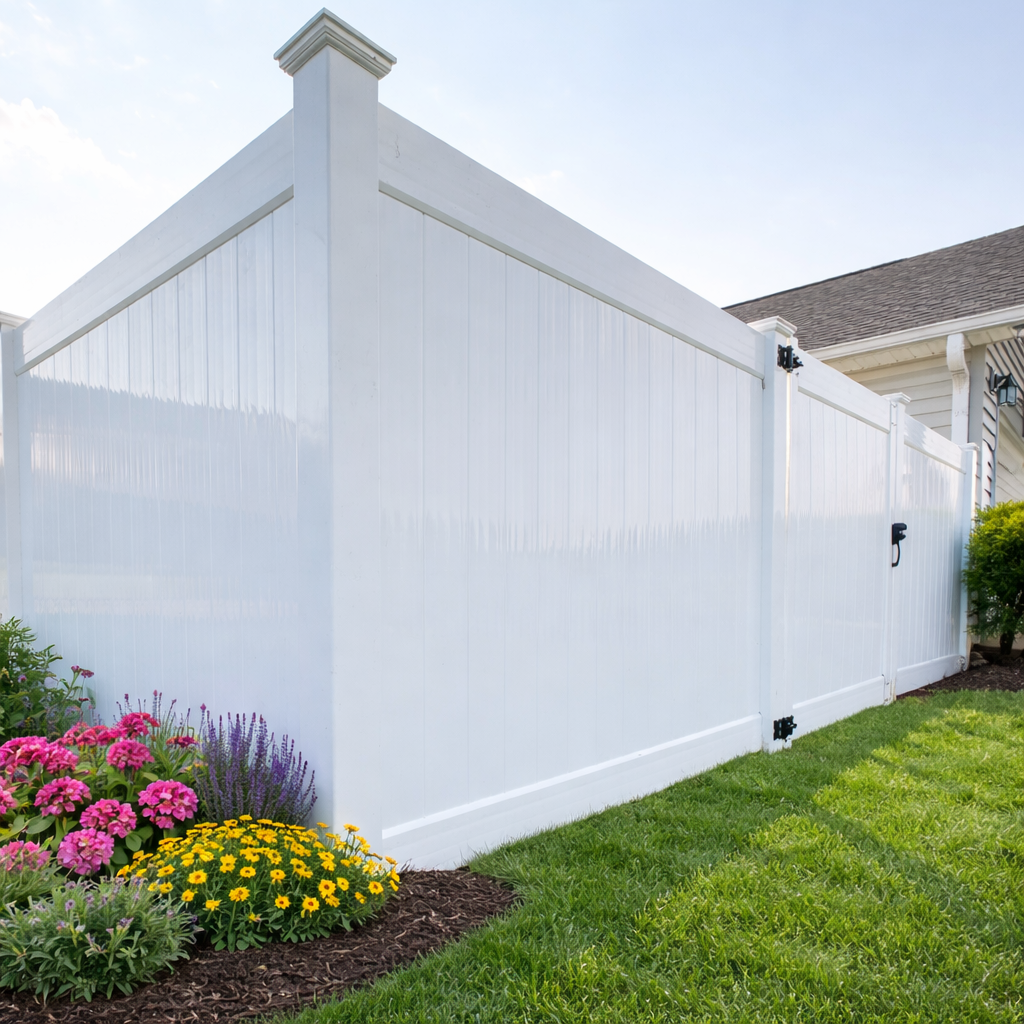
Vinyl privacy fencing does not need painting or staining. Routine care usually centers on cleaning the panels and inspecting posts, rails, gates, and hardware. That makes it attractive for a homeowner who wants a uniform privacy screen without managing a wood finish.
Vinyl systems are not all identical. Color, reinforcement, panel construction, expansion allowance, and installation details vary. Ask which system is being proposed for your yard and how it should be cared for through Denver temperature changes.
| Homeowner priority | Cedar | Vinyl |
|---|---|---|
| Appearance | Natural grain and variation | Uniform panels and color |
| Design flexibility | Easy to customize | Depends on available system |
| Routine care | Inspect and renew finish as needed | Clean and inspect components |
| Weather planning | Manage moisture and surface exposure | Follow product-specific movement and care guidance |
Compare upkeep by what you will realistically do
During the consultation, ask what written care information comes with the exact fence and gate being proposed. Request the product or finish names, approved cleaning guidance, recommended inspection points, and the contact route for product-specific questions after installation. Keep that handover material with dated installation photos so future care is based on the selected system rather than general advice for every cedar or vinyl fence.
Think about access before choosing. A narrow strip beside shrubs, a grade change, or a gate crowded by storage can make routine inspection harder. Leave yourself a clear way to see both sides of the fence where possible. If one side borders a neighbor, discuss access and appearance before installation instead of assuming future maintenance will be simple.
- Save the product names, colors, finish records, and installer photos in one homeowner file.
- Ask who to contact when a panel, gate component, or finish needs product-specific guidance.
- For either material, ask how the exact gate and panel system should be maintained.
- Keep sprinklers, stored items, and climbing plants from hiding developing problems.
Match the fence to the yard, not only the weather
A full privacy fence catches more wind than an open picket fence, regardless of material. Sloped yards also need a plan for stepped or custom sections, while gates need clearance and strong support. VP Fencing's residential service can review those conditions across Denver, Littleton, Highlands Ranch, and nearby communities.
Four questions that simplify the choice
- Do you prefer natural variation or a consistent panel appearance?
- Will you realistically maintain a wood finish over time?
- Where do sprinklers, snow piles, shade, and afternoon sun meet the fence line?
- Does the grade or gate route require a custom transition?
Evaluate exposure one fence run at a time
The north side of a Denver yard may not experience the same sun, drifting snow, wind exposure, or drying pattern as the west side. Walk each planned run and note what it faces. A material choice can remain consistent around the yard, but the discussion about gates, grade transitions, finishes, and product details should reflect the most exposed sections rather than an average condition.
Bring photos taken in different seasons to the consultation. Show where snow is stored or drifts, where irrigation reaches the line, and where the afternoon sun is strongest. These observations help the installer compare the actual cedar and vinyl options without claiming that every product or every Denver-area yard performs the same way.
- Ask to see the exact color, texture, picket arrangement, and gate style.
- Compare how each choice looks from the patio, windows, and street.
- Discuss abrupt slopes and narrow side yards before the final layout is drawn.
Frequently Asked Questions
Does cedar need to be stained in Denver?
A suitable finish can help manage surface weathering and moisture movement. The right product and schedule depend on the wood, exposure, desired appearance, and finish manufacturer's instructions.
Does vinyl become maintenance-free after installation?
No. It avoids painting and staining, but it still needs cleaning and periodic checks of posts, rails, gates, and hardware.
Which material gives better privacy?
Both can provide full visual screening when designed as solid privacy fences. Compare the exact panel or board layout, finished height, grade gaps, and gate design rather than relying on the material name alone.
Choose with your priorities in front of you
Bring photos of your fence line and a clear idea of the appearance and upkeep you prefer. VP Fencing can help you compare cedar and vinyl in the actual sun, slope, drainage, and gate locations around your Denver Metro home.
Keep Exploring Fence Insights