5 Best Cedar Fence Maintenance Tips for Colorado
VP Fencing • September 3, 2026
Open every day
Serving the Denver Metro
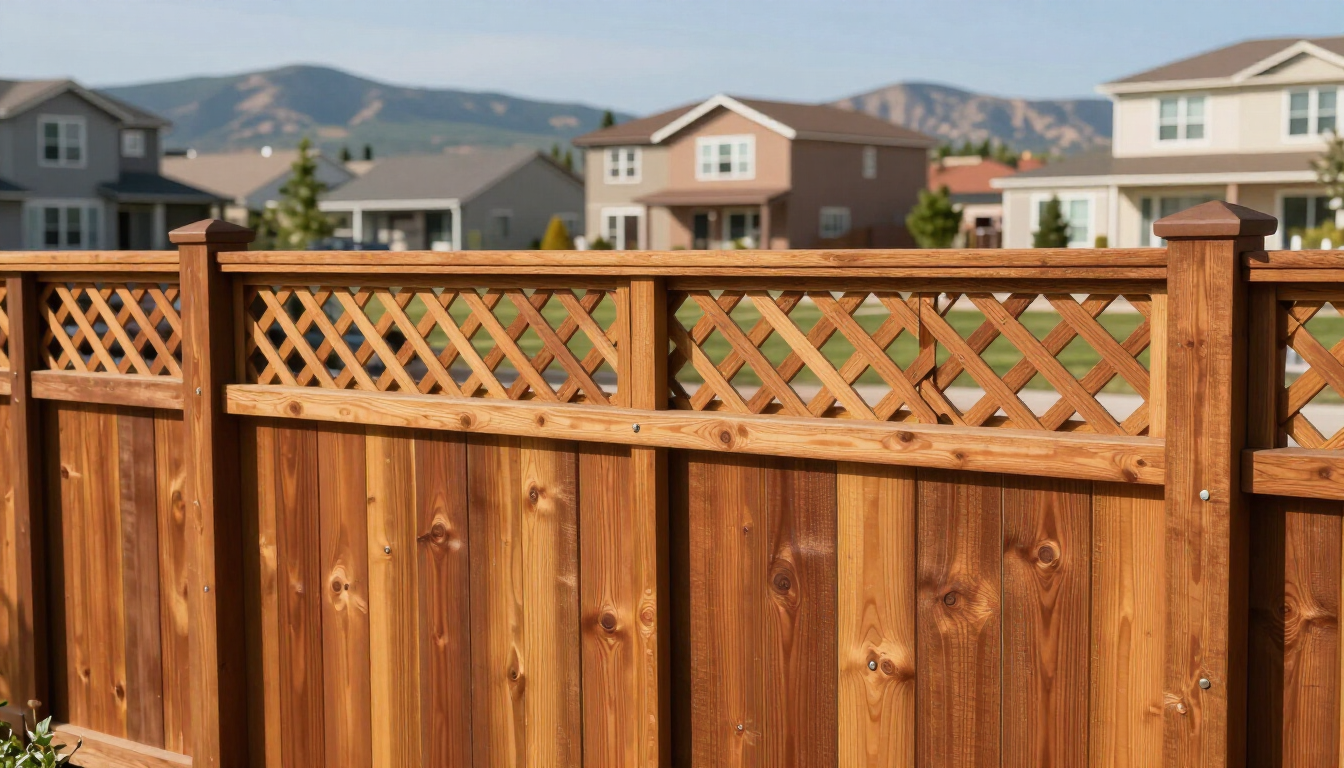
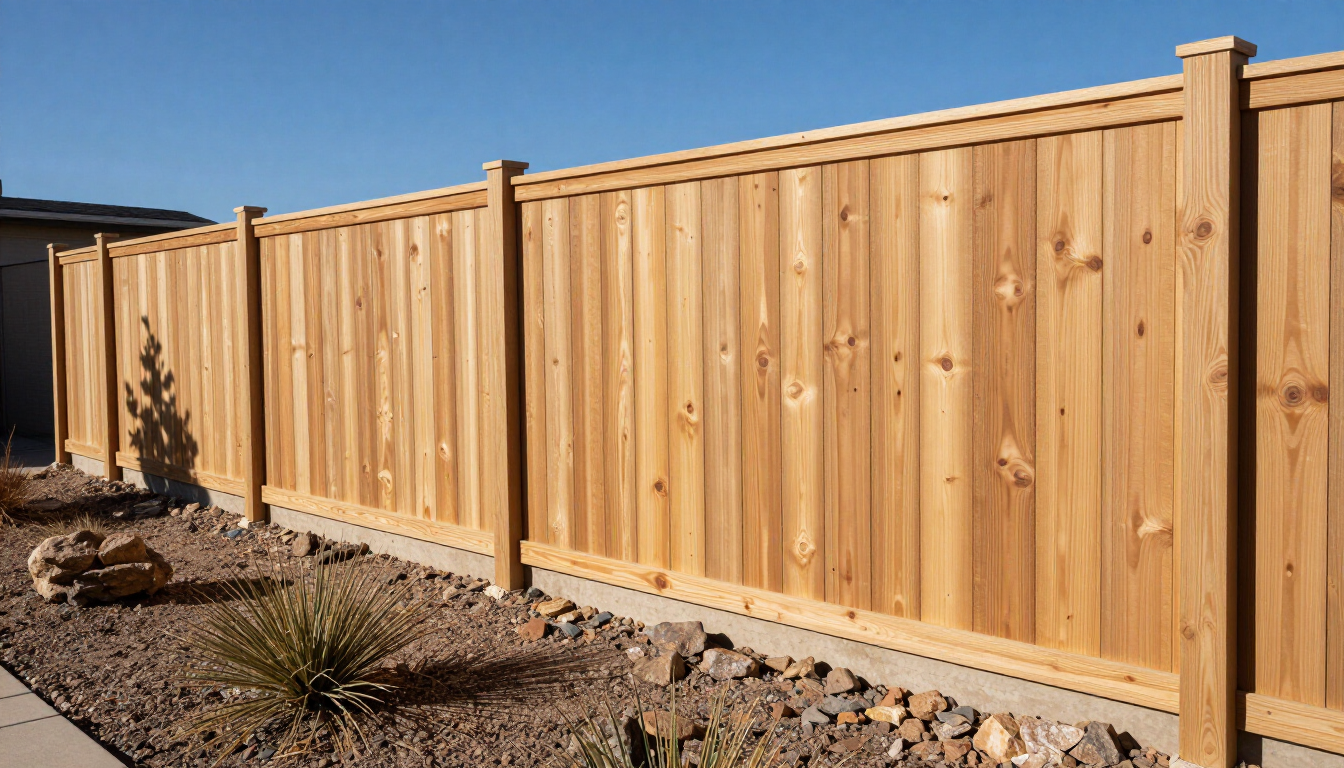
Effective cedar fence maintenance in Colorado involves conducting biannual inspections, removing debris from the base, and applying a high-quality UV-protective stain every two to three years. Because Denver’s intense sunlight and dry climate rapidly dehydrate wood, proactive sealing prevents warping, rot, and premature graying of your residential investment.
What is the best cedar fence maintenance schedule for Colorado?
In the Denver Metro area, the ideal schedule for cedar fence maintenance follows a biannual rhythm: once in the late spring and once in the early autumn. Colorado homeowners face a unique set of environmental stressors, from the high-altitude ultraviolet (UV) rays to sudden heavy snowfalls and periods of extreme drought. By checking your fence in May, you can address any damage caused by winter snow loads and prepare the wood for the scorching summer sun. Conversely, an October inspection allows you to clear away fallen leaves and ensure your gates are properly aligned before the first freeze.
During these inspections, you should look specifically for structural shifts caused by our rocky, dry soil. Denver soil is known for being “hard-packed,” but seasonal temperature swings can cause the ground to expand and contract, potentially loosening fence posts. Consistency is the key to longevity. If you ignore your fence for five years, the damage from the sun will likely require costly repairs or even a full replacement of your Wood Fencing. However, a few hours of effort every six months can extend the life of a cedar privacy fence to twenty years or more.
Consistency also helps you manage the silver-gray patina that naturally occurs in cedar. While some homeowners enjoy the weathered look, others prefer the warm, reddish-orange glow of fresh cedar. Regular maintenance allows you to choose which aesthetic you want to preserve through the use of specific stains and sealants tailored to the local climate.
7 Essential Tips for Cedar Fence Maintenance
Maintaining a fence in the Rocky Mountain region requires more than just a quick glance. To keep your cedar looking its best, follow these foundational steps designed to combat the local elements. Cedar is naturally resistant to rot and insects, but even the highest quality Western Red Cedar needs a helping hand when faced with 300 days of intense sunshine.
- Perform Visual Inspections: Walk the entire perimeter to check for loose boards, protruding nails, or signs of leaning.
- Clear Vegetation and Debris: Keep grass, weeds, and heavy mulch at least two inches away from the bottom of the fence to prevent moisture traps.
- Clean the Surface Gently: Use a soft-bristled brush and a mild detergent to remove dirt and bird droppings without stripping the wood fibers.
- Test the Water Seal: Splash a few drops of water on a board; if it soaks in immediately rather than beading up, it is time to re-stain.
- Check Hardware Tension: Tighten screws on hinges and latches, as the dry air often causes wood to shrink and hardware to loosen.
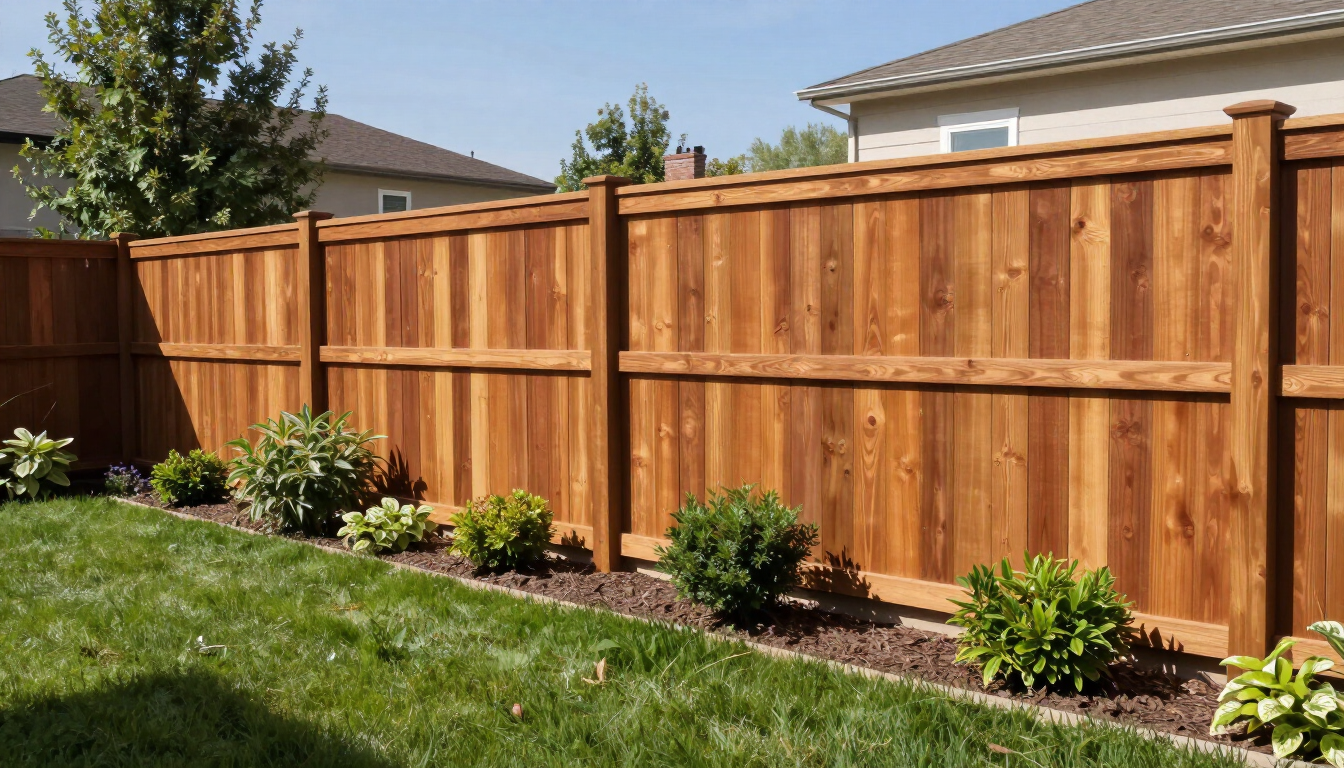
Beyond these basic steps, pay close attention to the “top cap and trim” if your HOA requires that specific style. These architectural details are beautiful but can collect snow and moisture more easily than a standard vertical privacy fence. Ensuring these caps are securely fastened prevents water from seeping into the end-grain of the vertical pickets, which is the most vulnerable part of the wood. For more detailed instructions on specific styles, you can refer to our Fence Maintenance Guide .
How often should I stain my cedar fence in Denver?
For most Denver homeowners, the sweet spot for staining a cedar fence is every two to three years. The primary reason for this frequency is the altitude. At 5,280 feet, the UV rays are significantly more intense than at sea level, acting like sandpaper on the cellular structure of the wood. If you notice your fence turning a dull gray or if the wood feels brittle to the touch, the protective barrier of your last stain has likely failed. Staining is not just about color; it is about providing a sacrificial layer that absorbs UV energy so the wood fibers don't have to.
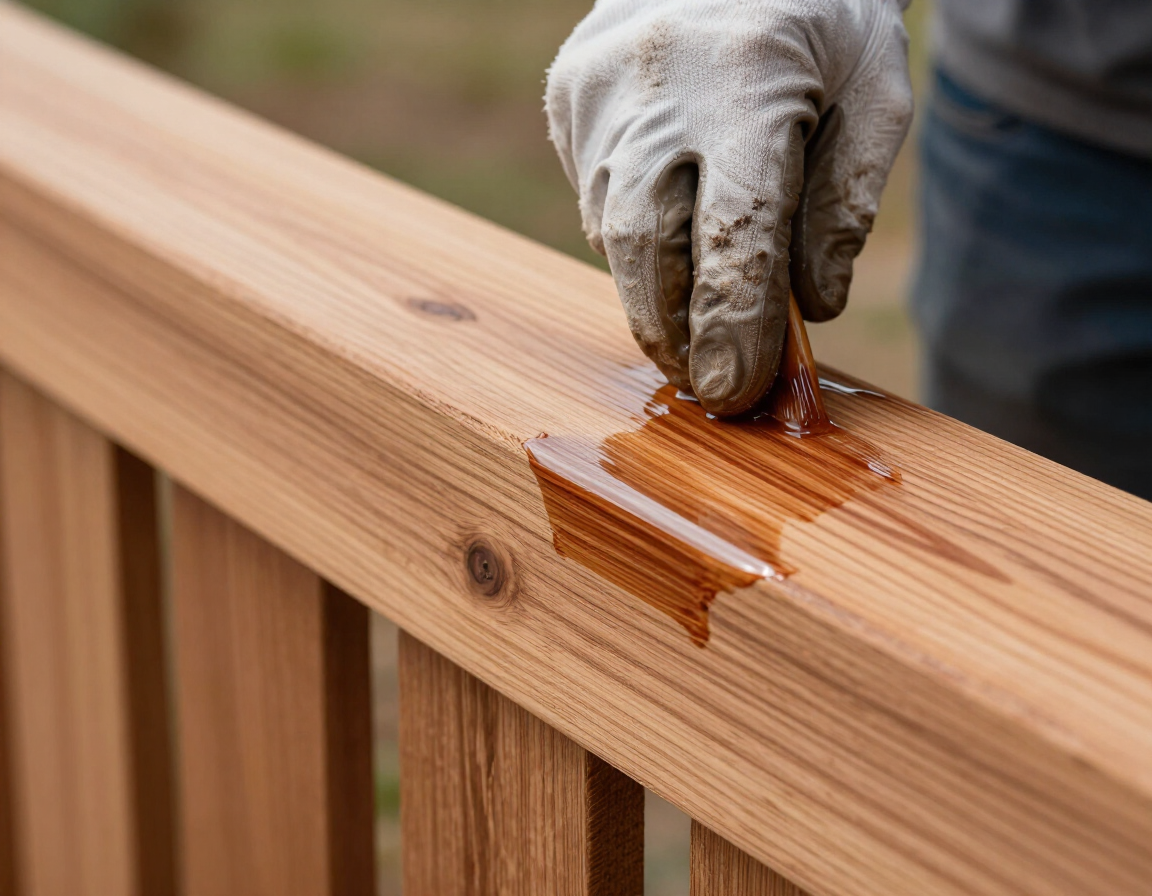
When selecting a stain, always opt for a penetrating oil-based product rather than a film-forming or water-based paint. In Colorado’s dry climate, film-forming stains tend to crack and peel as the wood expands and contracts. A penetrating stain moves with the wood and is much easier to maintain, as it doesn't require sanding before the next application. If you have questions about the best products for our local weather, check out our Wood Fencing FAQs for expert recommendations.
Applying stain is a process that requires the right conditions. Ideally, you want a window of 48 hours without rain and temperatures between 50 and 80 degrees Fahrenheit. In Denver, this usually means late spring or early fall. Avoid staining in the middle of a hot summer day, as the stain will dry too quickly on the surface and fail to penetrate deep into the cedar, leading to an uneven finish and reduced protection.
Protecting Your Wood Fence from Colorado Weather
Colorado weather is notoriously unpredictable. One day you have a blizzard, and the next, it’s 60 degrees and sunny. This rapid cycling is particularly hard on wood fences. Snow buildup is a major concern. When snow piles up against the base of your fence, it creates a constant source of moisture that can lead to "wicking." Wicking occurs when the wood absorbs water from the bottom up, leading to rot even if the rest of the fence is dry. After a heavy snow, it is a good idea to shovel the snow away from the fence line.
Wind is another factor that demands attention. The Front Range is known for high-wind events that can put immense pressure on a privacy fence, which essentially acts as a giant sail. If your posts are not set deeply in concrete or if the soil has become loose, a single storm can leave your fence leaning. Regular Cedar fence maintenance includes checking the stability of these posts and ensuring that any horizontal privacy styles are properly braced to handle lateral wind loads. Understanding Colorado Weather & Fences is crucial for any long-term homeowner.
Why should I keep soil away from my cedar fence?
Keeping soil and mulch away from the bottom of your fence pickets is perhaps the most overlooked aspect of cedar fence maintenance . While cedar is rot-resistant, it is not rot-proof. When soil or “dirty, rocky ground” makes direct contact with the wood, it creates a bridge for moisture and wood-destroying organisms to enter the material. Over time, this constant dampness will soften the cedar, making it a prime target for termites and fungal decay. You should aim for a gap of at least two inches between the bottom of your fence and the ground.
If you find that the ground level has shifted or that your landscaping has grown too close, take the time to grade the dirt away from the fence. This is especially important for homeowners with horizontal privacy fences, where the bottom board often bears the brunt of ground moisture. If you are struggling with a fence that was installed too low, we can help you evaluate your options; feel free to Contact Us for a professional assessment of your current installation.
How do I clean my cedar fence without power washing?
Many homeowners reach for a power washer at the first sign of dirt, but this can be a mistake for cedar. The high pressure of a power washer can easily gouge the soft wood fibers of cedar, leaving it with a fuzzy, damaged texture that is difficult to repair. The best way to clean a cedar fence is to use a specialized wood cleaner or a simple solution of mild oxygen bleach and water. Apply the solution with a garden sprayer, let it sit for 15 minutes, and then gently scrub with a soft brush before rinsing with a standard garden hose.
This gentle approach removes graying (dead wood fibers), mildew, and dirt without compromising the integrity of the fence. Cleaning should always be the step taken immediately before staining. If you stain over a dirty fence, you are essentially trapping the contaminants under the finish, which will lead to a dark, blotchy appearance. For a clean, professional look, always prioritize the prep work.
Essential Gate and Hardware Inspections
Your gates are the only moving parts of your fencing system, meaning they experience the most wear and tear. In the Denver Metro area, the dry air can cause wood gates to shrink slightly, which might lead to latches not lining up correctly. A gate that doesn't close properly is not just a nuisance; it’s a security risk for pets and children. As part of your cedar fence maintenance , check that the gate swings freely and that the hinges are not sagging under the weight of the cedar.
Lubricating the hinges with a silicone-based spray once a year will prevent rust and squeaking. If you notice significant sagging, you may need to add a diagonal cross-brace or a gate-tensioning kit. For those with more complex entry systems, such as Residential Gates, professional servicing may be required to ensure the automated components are functioning correctly alongside the wood structure.
Conclusion: Maximizing Your Fence Investment
Maintaining a cedar fence in Colorado is a manageable task that yields significant rewards. By following a consistent schedule of cleaning, staining, and inspecting, you protect your home’s curb appeal and ensure your backyard remains a private sanctuary. Denver’s unique climate is tough, but cedar is tougher when given the right care.
Key Takeaways for Denver Homeowners:
- Inspect Biannually: Check your fence in the spring and fall to catch small issues before they become expensive repairs.
- Stain for UV Protection: Apply a high-quality, oil-based penetrating stain every 2-3 years to combat Colorado's intense sun.
- Maintain Clearance: Ensure there is a 2-inch gap between the wood and the soil to prevent rot and moisture damage.
- Monitor Gate Alignment: Check hinges and latches regularly to ensure security and ease of use.
If your fence has moved beyond the point of simple maintenance, or if you are ready to upgrade to a new vertical or horizontal privacy design, our team at About Us is ready to help. We have 15 years of experience building fences that stand up to the Colorado elements. Get a Free Quote today to start your next residential project.
Keep Exploring Fence Insights