Denver Fence Permit Guide: Do You Need One in 2026?
VP Fencing • September 3, 2026
Open every day
Serving the Denver Metro
In Denver, you generally need a Denver fence permit for any fence over 4 feet tall in the front yard or over 6 feet in the backyard. Even if a permit isn't required by the city, your HOA may still require separate approval for style and material before installation begins.
Do I need a Denver fence permit for my residential property?
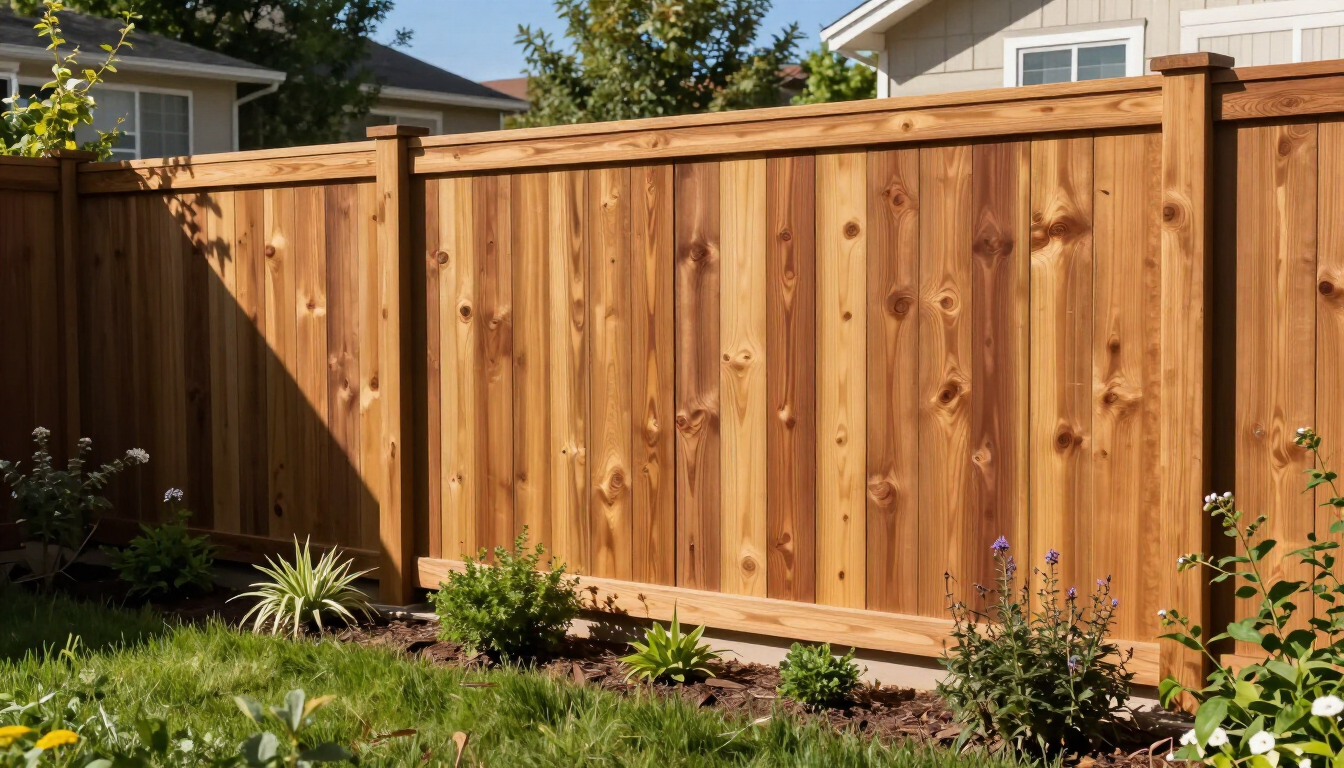
Navigating the legalities of home improvement in the Mile High City can feel like a climb up a fourteener, but understanding when you need a Denver Fence Permit Guide is the first step toward a successful backyard transformation. For most homeowners, the need for a permit is dictated by the height and location of the structure. If you are planning a standard 6-foot cedar privacy fence in your backyard, you might be surprised to learn that Denver zoning often allows these without a building permit, provided they meet specific criteria. However, once you cross that 6-foot threshold or move the fence toward the front of your property, the rules change significantly.
For over 15 years, we have helped Denver residents navigate these regulations. Whether you are dealing with the rocky, brown soil typical of the Denver metro area or trying to satisfy a strict HOA, the permit process is your safeguard. It ensures that your fence doesn't block the view of drivers at intersections or encroach on public rights-of-way. While a simple replacement of an existing fence might not always trigger a new permit requirement, any change in height, material, or footprint usually does. It is always better to verify with the Denver Community Planning and Development department before our crews arrive to start digging.
Understanding Denver Fence Height Regulations
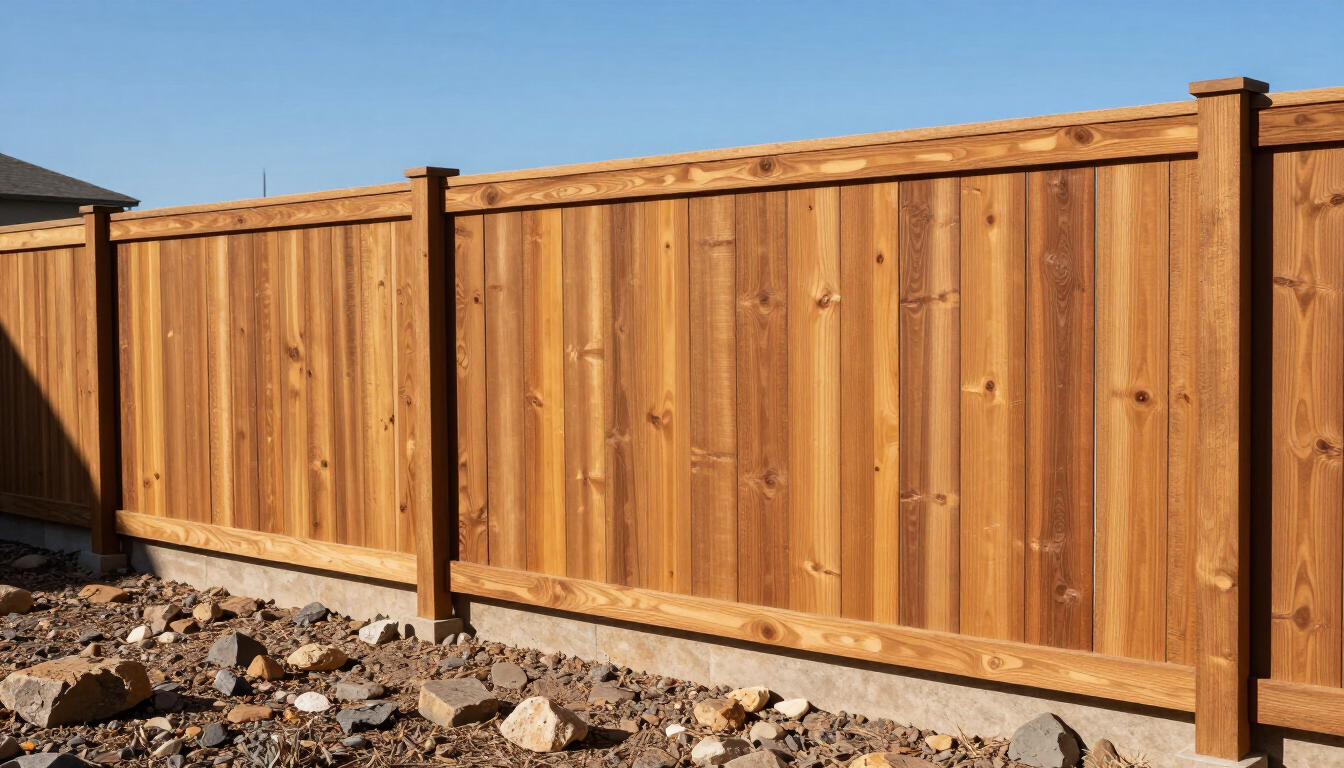
The most common question we receive involves height. Denver has very specific tiers for what is allowed without oversight. In most residential zones, a fence in the rear or side yard can be up to 6 feet tall without a building permit. This is the standard for Wood Fencing intended for privacy. However, if you want to go higher—perhaps an 8-foot fence to block a two-story neighbor’s view—you will definitely need a permit and potentially a zoning variance.
Height rules are designed to maintain the character of our neighborhoods and ensure safety. A fence that is too tall can create a "tunnel" effect on sidewalks or create safety hazards by limiting visibility. In Denver, the measurement is taken from the highest point of the finished grade at the base of the fence. This is important because our Colorado terrain isn't always flat. If your yard slopes, your 6-foot fence might technically be 7 feet from the low side, which could lead to a violation if not planned correctly. We recommend Residential Fencing solutions that follow the grade of the land to keep you within legal limits while maintaining a clean look.
What are the specific front yard fence rules in Denver?
Front yard fencing is where things get tricky for Denver homeowners. To maintain an open and welcoming streetscape, Denver generally limits front yard fences to a height of 4 feet. Furthermore, these fences must often be "open" in design—meaning you can see through them—if they are within the front setback. If you were dreaming of a 6-foot solid cedar wall in your front yard to block street noise, you will likely face a permit denial unless you have a very specific lot configuration.
Common front yard styles include:
- Ornamental steel or wrought iron with spaced pickets
- Split-rail wood fencing for a rustic look
- Low-profile white Vinyl Fencing (4 feet or less)
- Picket fences with at least 50% transparency
- Chain link fences (though these are less common in front yards today)
Navigating Sight Triangles and Sidewalk Setbacks
If your property is on a corner lot, you must account for the "sight triangle." This is a triangular area at the corner of an intersection where fences must be kept low (usually 2.5 to 3 feet) to ensure that drivers can see oncoming traffic and pedestrians. Denver inspectors are very strict about this rule because it is a matter of public safety. Even a beautiful Ornamental Steel Fencing installation can be ordered for removal if it obstructs the view of a stop sign or a crosswalk.
Beyond height, you must also respect the sidewalk setback. You cannot build a fence directly against a public sidewalk if it encroaches on the city's right-of-way. Most residential property lines actually sit a foot or two back from the concrete sidewalk. Building your fence on the property line rather than the sidewalk edge not only keeps you legal but also prevents the city from tearing your fence down if they ever need to repair underground utilities. Our team is well-versed in identifying these boundaries, even in the toughest, rockiest Denver soil where property pins might be buried deep.
Does my HOA approval count as a city permit?
This is perhaps the biggest point of confusion for homeowners in neighborhoods like Stapleton, Green Valley Ranch, or Highlands Ranch. The answer is a firm "No." Your Homeowners Association (HOA) and the City of Denver are two completely different entities with different sets of rules. While the city cares about safety and zoning, the HOA cares about aesthetics and property values. You might get a city permit for a white vinyl fence, only to have your HOA tell you it must be cedar with a top cap and trim.
We always tell our clients to follow this order of operations:
- Check Denver zoning for height and setback rules.
- Submit your design to the HOA Architectural Review Committee.
- Apply for the city permit if your height or location requires it.
- Schedule your Our Installation Process once both approvals are in hand.
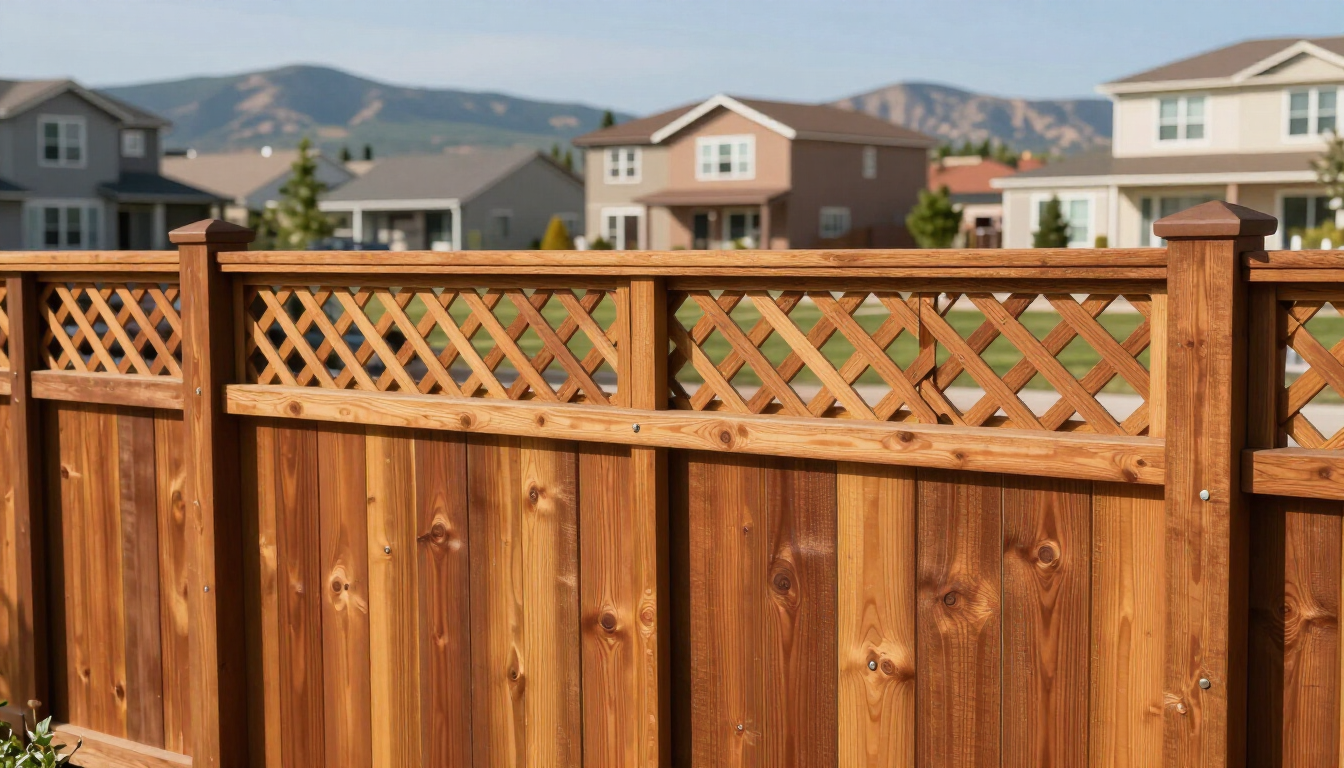
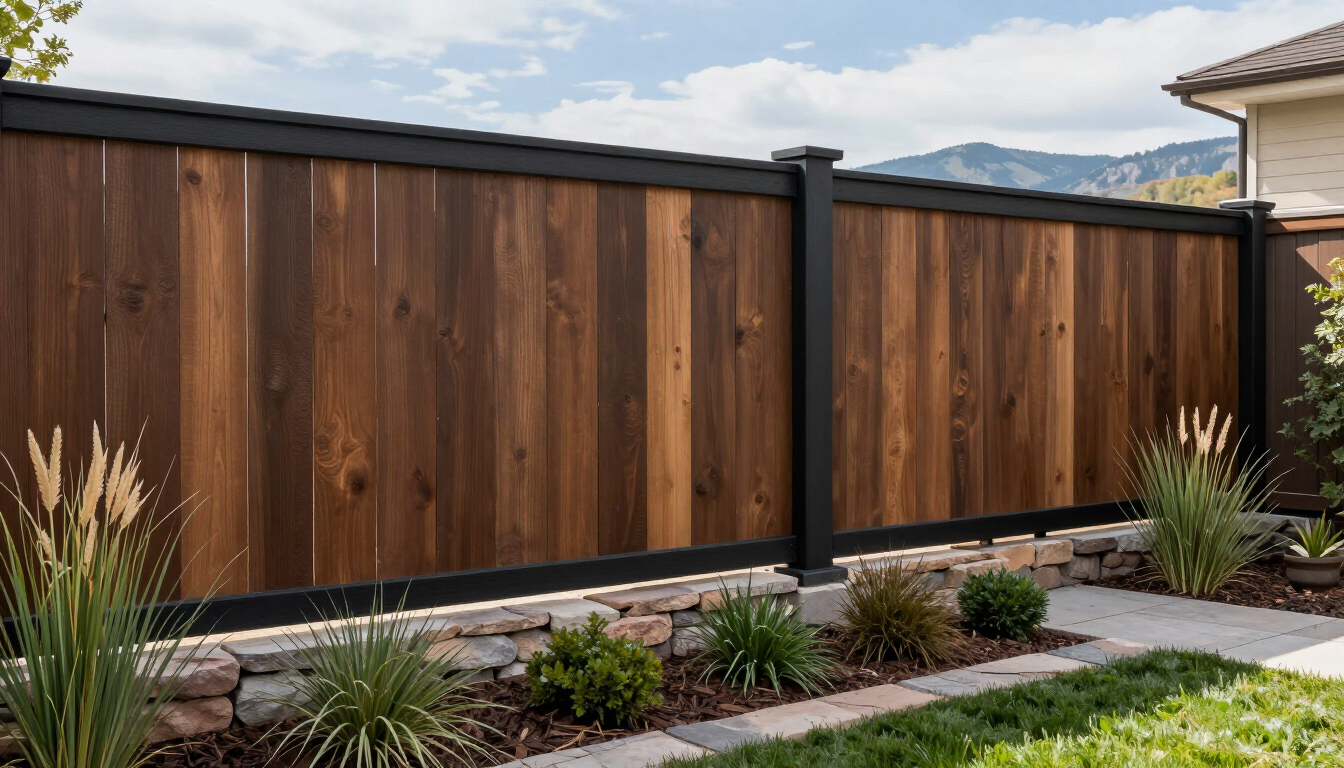
Many Denver HOAs have a strong preference for cedar fences, specifically vertical privacy or horizontal privacy styles. They often require a "top cap and trim" finish, which adds a decorative header to the fence and hides the end grain of the pickets. This style is not just for looks; it helps protect the wood from the intense Colorado sun. Even if the city doesn't require a permit for your 6-foot cedar fence, skipping HOA Fence Guidelines can lead to heavy fines and the costly requirement to redo the work.
Essential Steps for a Smooth Permit Application
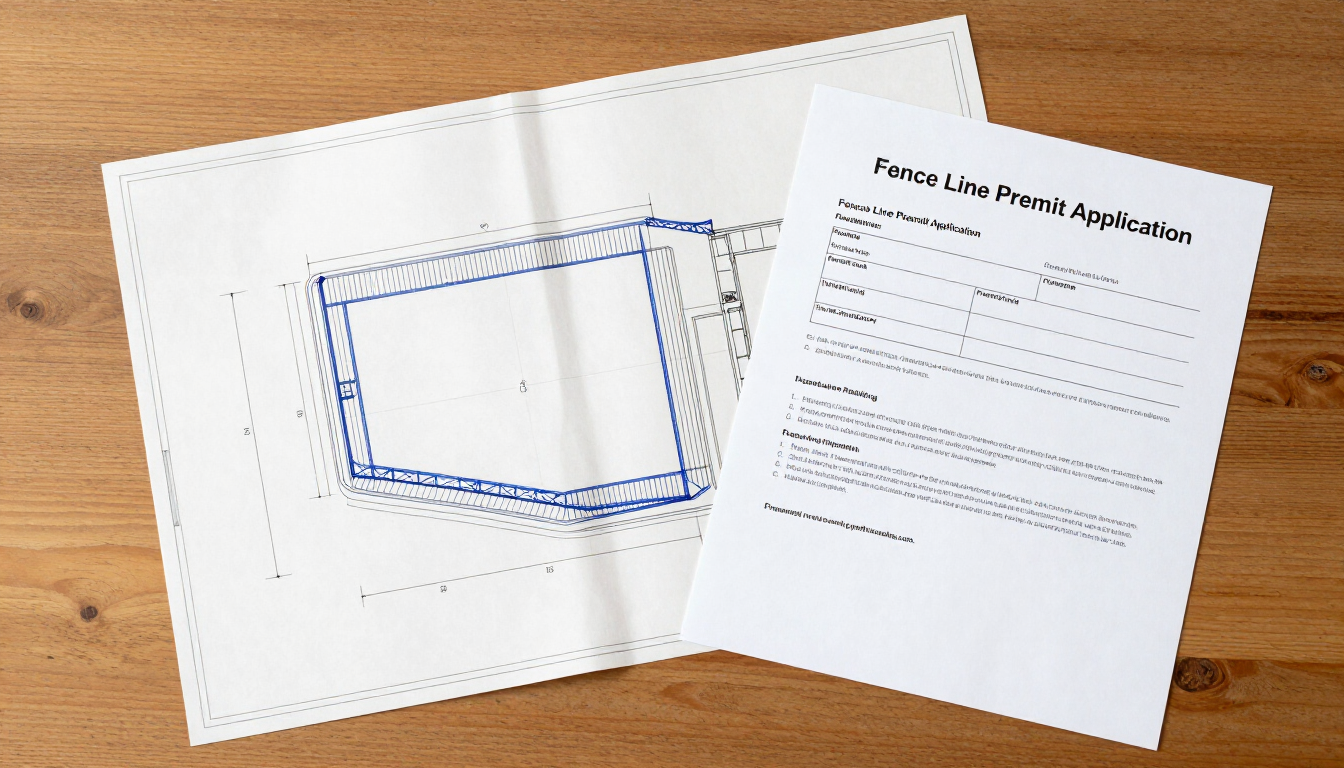
If you have determined that you do need a permit—perhaps for an over-height fence or a unique ornamental gate—the application process requires documentation. You will need a site plan, which is a bird's-eye view drawing of your property showing the house, the proposed fence line, and any existing structures. You don't need a professional architect for this, but it must be accurate and drawn to scale.
You should also be prepared for the following:
- Providing the exact height and material specifications
- Listing the contractor's license information (we handle this for our clients)
- Paying the permit fee, which varies based on the project cost
- Scheduling a post-installation inspection to close out the permit
- Marking underground utility lines via 811 before any digging begins
Digging in Denver can be a challenge. Our ground is notoriously brown, dusty, and filled with rocks. For a fence to stand straight for decades, the posts must be set deep—usually 24 to 30 inches—in concrete. This is why we work year-round; even when the surface is cold, our specialized equipment can handle the rocky Denver subsoil to ensure your fence stays level regardless of the weather.
Professional Guidance for Denver Homeowners
Choosing the right fence involves more than just picking a style; it involves understanding the local landscape and legal framework. After 15 years in the Denver metro area, we have seen every type of lot and every type of permit hurdle. We specialize in residential cedar fences, often ranging from 250 to 450 linear feet for the average backyard. While cedar is our primary product due to its natural beauty and durability in our dry climate, we also provide white vinyl, chain link, and ornamental steel options for those with specific needs or budget constraints.
Whether you are looking for a horizontal privacy fence to give your home a modern edge or a traditional vertical privacy fence to keep the kids and dogs safe, we ensure the project is done right from the first shovel hit. If your ground is particularly rocky, don't worry—we’ve seen worse. Our goal is to take the stress out of the permit process and the installation, leaving you with a backyard you can actually enjoy.
Summary of Denver Fencing Requirements
To ensure your new fence is legal and built to last, keep these core Denver rules in mind. A permit is generally required for front yard fences over 4 feet and backyard fences over 6 feet. Always check your specific zoning district, as rules can vary between historic districts and standard residential blocks. Don't forget that your HOA has the final say on colors and materials, regardless of what the city allows. Finally, always verify your property lines to avoid costly setbacks or neighbor disputes.
Key Takeaways for Homeowners:
- Permit Thresholds: Fences over 4' (front) or 6' (back) usually require a permit.
- Safety First: Sight triangles at corners are non-negotiable for visibility.
- HOA vs. City: You need approval from both if you live in a covenanted community.
- Material Matters: Cedar is ideal for Denver's climate, but HOA rules may dictate the style.
- Plan Ahead: Identifying property pins and utility lines is essential before digging in rocky soil.
If you are ready to start your project and want to ensure every detail is handled correctly, Get a Free Quote from our team today. We will help you choose the best style for your needs while ensuring your new fence meets all local Denver requirements.
Keep Exploring Fence Insights